Table of Contents
ToggleSports games trends 2026 are shaping up to be some of the most exciting developments the gaming industry has seen in years. From smarter AI opponents to seamless cross-platform experiences, the next wave of sports titles promises to change how players compete, connect, and experience their favorite games. Whether someone plays FIFA, Madden, NBA 2K, or indie sports sims, these shifts will likely affect their gaming routine. This article breaks down the key sports games trends 2026 that developers are prioritizing, and what players can actually expect when they boot up their consoles or PCs next year.
Key Takeaways
- Sports games trends 2026 feature AI opponents that adapt to your playstyle in real time, making matches feel more competitive and less scripted.
- Cross-platform play becomes standard in 2026, allowing players on PlayStation, Xbox, PC, and Nintendo Switch to compete together seamlessly.
- VR integration is expanding beyond standalone experiences, with major publishers adding full VR modes to traditional sports titles like FIFA and NBA 2K.
- Haptic feedback and spatial audio now provide gameplay advantages, letting players feel catches and hear approaching defenders before seeing them.
- Live service models deliver real-time roster updates and dynamic content, reflecting actual sports events within hours of them happening.
- Cloud gaming removes hardware barriers, enabling players to stream the latest sports titles at high settings on older devices.
AI-Driven Gameplay and Realism Enhancements
Artificial intelligence has always played a role in sports games, but 2026 is pushing things further. Developers are using machine learning to create opponents that adapt to player habits in real time. If someone always cuts left on a fast break, the AI defender will start anticipating that move after a few attempts. This shift makes CPU opponents feel less like scripted robots and more like actual competitors.
Realism enhancements are also tied closely to AI improvements. Player animations now pull from massive motion-capture databases, and AI systems select the right animation based on context. A quarterback scrambling under pressure won’t move the same way as one with a clean pocket. These details add up.
Beyond on-field action, sports games trends 2026 include smarter franchise and career modes. AI-driven managers make more logical trades. Rookies develop based on playtime and performance, not just random stat boosts. For players who spend hundreds of hours in franchise modes, these changes matter.
Some studios are experimenting with AI-generated commentary that reacts to specific in-game moments rather than pulling from a fixed script. Early versions sound a bit stilted, but the technology improves each year. By late 2026, expect commentary that feels less repetitive and more contextual.
Cross-Platform Play and Cloud Gaming Expansion
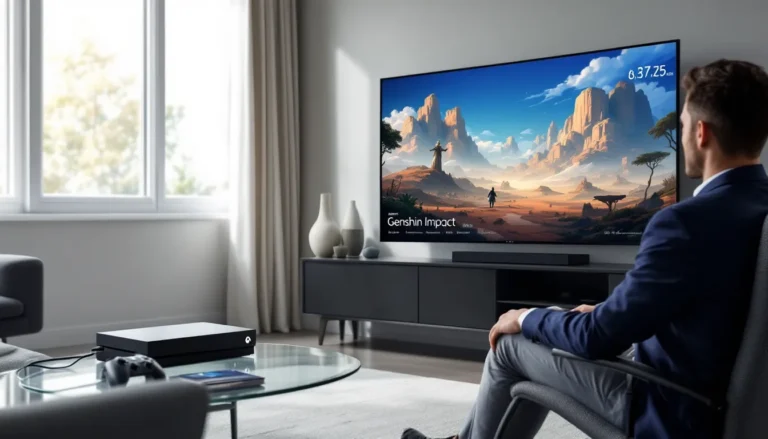
Cross-platform play has been building momentum for several years, and sports games trends 2026 show it becoming standard rather than a bonus feature. Major publishers like EA Sports and 2K Games have committed to full cross-play support across PlayStation, Xbox, PC, and even Nintendo Switch for select titles. This change means players can compete against friends regardless of which hardware they own.
Cloud gaming is expanding alongside cross-play. Services like Xbox Cloud Gaming, PlayStation Plus Premium, and NVIDIA GeForce NOW let players stream sports games without owning high-end hardware. A laptop from 2019 can run the latest NBA 2K title at high settings through streaming. Latency remains a concern for competitive players, but casual users benefit from the accessibility.
These sports games trends 2026 also affect how developers build their games. Studios now optimize titles for multiple input types, controllers, keyboards, and touch screens. Some cloud-native features, like instant replays stored server-side, are becoming more common.
The result is a larger, more connected player base. Matchmaking pools grow when platforms merge. Wait times drop. Skill-based matchmaking becomes more accurate with bigger sample sizes. For the average sports game fan, this translates to better online experiences overall.
Immersive Features and VR Integration
Virtual reality has struggled to break into mainstream sports gaming, but 2026 could be a turning point. Sony’s PlayStation VR2 headset and Meta’s Quest lineup have reached price points that appeal to casual buyers. Developers are responding with VR modes built into traditional sports titles rather than standalone VR-only games.
Imagine stepping into a penalty kick in FIFA from the goalkeeper’s perspective, or standing at the free-throw line in NBA 2K with 20,000 virtual fans watching. These experiences exist in early forms today, but sports games trends 2026 point toward deeper integration. Full VR career modes and online VR matches are on the roadmap for several major publishers.
Outside of VR, immersive features extend to haptic feedback and spatial audio. The PS5’s DualSense controller already provides nuanced vibrations for different actions. Sports games in 2026 are taking this further. Players can feel the difference between catching a football cleanly versus bobbling it. Spatial audio lets them hear a defender approaching from behind before seeing them on screen.
These immersive sports games trends 2026 aren’t just gimmicks. They provide gameplay information through new channels, giving attentive players a competitive edge.
Live Service Models and Dynamic Content Updates
The live service model dominates modern sports games, and this trend intensifies in 2026. Publishers release base games and then deliver weekly or monthly content updates throughout the year. New player ratings, roster moves, licensed gear, and limited-time events keep games feeling fresh long after launch.
Sports games trends 2026 show publishers leaning harder into seasonal content structures. EA Sports FC and Madden NFL both use battle pass systems that reward consistent play. Players unlock cosmetic items, in-game currency, and exclusive content by completing challenges. Critics argue these systems push players toward spending money, but they also provide ongoing reasons to return to a game.
Dynamic content updates now reflect real-world sports schedules more closely than ever. If a star player gets injured on Sunday, their rating might drop by Tuesday. Trade deadline moves appear in games within hours. This real-time connection between actual sports and virtual sports strengthens player engagement.
But, live service models come with downsides. Server shutdowns eventually make older games unplayable in online modes. Some players prefer the traditional model where a purchased game works forever. The industry hasn’t solved this tension yet, and sports games trends 2026 suggest publishers will continue prioritizing recurring revenue over preservation.